
- All
- Product Name
- Product Keyword
- Product Model
- Product Summary
- Product Description
- Multi Field Search


Views: 0 Author: Site Editor Publish Time: 2025-11-03 Origin: Site


Many people feel anxious when visiting the dentist. Studies show that almost one in five adults in the United States report dental anxiety, while nearly a quarter of children and teens experience similar feelings. Physical discomfort often makes these visits more stressful. The dentist chair plays a crucial role in your comfort. Modern ergonomic designs now offer customizable support and advanced pressure-distribution technology, helping you relax and making dental care more pleasant.
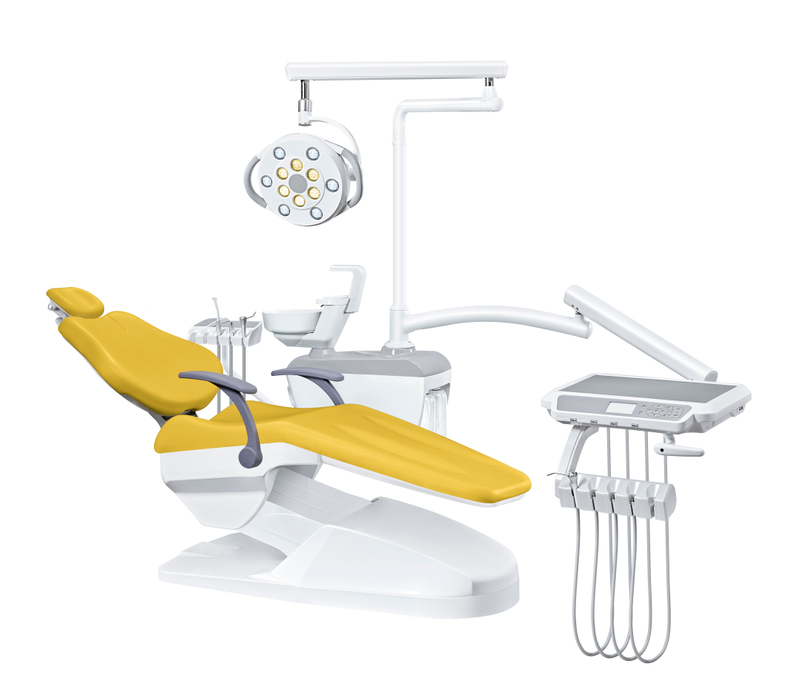
You encounter the dentist chair at every dental visit. This specialized chair supports you during exams and treatments. Modern versions go far beyond simple seating. They feature advanced technology and ergonomic design to improve your experience.
Here is a quick overview of the main components and features you will find in a modern dentist chair:
| Component/Feature | Description |
|---|---|
| Advanced Motor Control Program | Smooth, flexible movements that help you feel at ease. |
| Precision Lighting | Adjustable LED lights for clear visibility during procedures. |
| Durable Materials | Medical-grade construction for long-lasting use. |
| Multi-Function Foot Pedal | Quiet, hands-free adjustments for better focus and comfort. |
| Customizable Aesthetic Options | Color choices to match the clinic and create a calming space. |
You also benefit from padded seats and backrests, adjustable headrests, and supportive armrests. These features work together to keep you comfortable and stable throughout your appointment.
The dentist chair plays a vital role in how you feel during your visit. Ergonomic features help reduce neck and shoulder strain. Adjustable positioning allows your dentist to access your mouth easily while you remain relaxed.
“I’ve been to clinics where the chair was stiff and uncomfortable, and I couldn’t wait for the appointment to be over. But when the chair feels good, I’m more relaxed, and the entire experience is so much better.”
You may notice that a well-designed dentist chair can lower your anxiety. Many patients report feeling calmer in a modern, comfortable chair. Smart controls, soft cushioning, and quiet adjustments all contribute to a positive experience. When you feel supported, you are more likely to have a stress-free visit and leave with a better impression of dental care.
You may notice your heart racing or your palms sweating as you wait for your appointment. Dental anxiety is common and can affect anyone, regardless of age or background. Surveys show that about 30-40% of people experience some level of dental fear, while 5-10% have severe anxiety that keeps them from visiting the dentist. In some studies, up to 72.6% of patients reported dental fear, with nearly half experiencing moderate fear and over a quarter facing severe anxiety. Many people who feel anxious about dental visits also express interest in digital treatment options, hoping for a less stressful experience.
Several psychological factors can make dental anxiety worse:
Fear of the dentist may lead you to avoid dental care.
Past painful experiences can increase your stress.
Anxiety and negative emotions can build up before your visit.
Family or friends may share stories that reinforce your fears.
Feelings of guilt or shame about your oral health can make you want to hide your teeth.
You might also find that anxiety affects your daily life, leading to social isolation or a cycle of avoiding care and worsening oral health.
The dentist chair itself can sometimes add to your stress. Here are some of the most common reasons:
Embarrassment about your oral health, especially if you have not seen a dentist in years.
Worries about anesthesia and its possible side effects.
Fear of needles or sharp instruments used during procedures.
Dread of pain, often based on past experiences or stories from others.
Feeling a lack of control while sitting in the chair, unable to see what is happening.
The physical environment also plays a role. Bright lights, loud noises, and unfamiliar odors can make you feel uneasy. The following table shows how different environmental factors can impact your anxiety:
| Environmental Factor | Impact on Patient Anxiety |
|---|---|
| Noise | Heightens fear and discomfort due to unpleasant sounds. |
| Lighting | Bright lights can create a threatening atmosphere. |
| Odors | Unpleasant smells can trigger anxiety. |
| Office Ambience | A calm atmosphere can reduce anxiety levels. |
| Waiting Time | Longer waits can increase anxiety and recall bad memories. |
Tip: You can ask your dental team about ways to make your experience more comfortable, such as adjusting the chair or using calming scents in the office.
You can take several steps to prepare your mind before sitting in the dentist chair. Many people find it helpful to:
Share your anxiety triggers with your dentist.
Communicate openly about your concerns and ask about comfort measures.
Schedule your appointment at a time when you feel most relaxed.
Bring calming items, such as noise-canceling headphones or a stress ball.
Avoid caffeine before your visit.
Arrive early to give yourself time to settle in.
Consider bringing a support person for reassurance.
These strategies help you feel more in control and set a positive tone for your visit.
Modern dentist chairs offer features designed to enhance your comfort. Adjustable headrests and ergonomic engineering support your body and reduce tension. Some chairs include massage and lumbar-support functions, which can help you relax during treatment. Dual-articulating headrests allow for optimal positioning, making it easier for you to stay comfortable throughout your appointment.
Tip: Ask your dental team to adjust the chair’s settings to suit your needs. Small changes can make a big difference in how you feel.
Breathing exercises can calm your nerves while you sit in the dentist chair. Try these techniques:
Take one deep breath. Close your eyes, inhale slowly through your nose, and exhale loudly through your mouth.
Practice paced breathing. Inhale for four counts, then exhale for four counts.
Use box breathing. Inhale for four seconds, hold for four, exhale for four, and hold again for four.
These methods help lower your heart rate and reduce anxiety.
Distraction can shift your focus away from dental procedures. The table below shows how different techniques affect anxiety:
| Distraction Technique | Effectiveness in Reducing Anxiety |
|---|---|
| Music | Statistically significant |
| Audiovisual | Statistically significant |
| Stress Balls | Not significant |
Listening to calming music or using noise-canceling headphones can block out stressful sounds and help you relax. Experiment with different types of music to discover what works best for you.
Trust forms the foundation of a positive dental experience. When you feel confident in your dentist, you relax more easily in the chair. Dentists build trust through clear communication and genuine empathy. You notice when your provider listens to your concerns and respects your beliefs. This approach helps you feel valued as an individual, not just as a patient.
| Method of Building Trust | Description |
|---|---|
| Communication | Dentists explain procedures and answer questions clearly. |
| Prioritizing Patient's Best Interest | Providers listen and understand your needs and cultural background. |
| Addressing COVID-19 Challenges | Dentists adapt to new safety protocols and maintain open relationships. |
You may ask yourself, "Can I trust my dentist to put my well-being first?" When you sense that your dentist cares about your comfort and safety, you feel more at ease. Dentists who use advanced technology and personalized planning create a supportive environment. This trust encourages you to participate in treatment decisions and attend regular appointments without fear.
Patients who feel understood and valued are more likely to follow treatment plans and experience greater comfort during visits.
Clear and empathetic communication reduces anxiety.
Trust allows you to voice concerns and feel in control.
A strong dentist-patient relationship leads to better health outcomes.
A clean and organized dental office reassures you from the moment you walk in. First impressions matter. You associate cleanliness with safety and high-quality care. When you see spotless surfaces and well-arranged equipment, you feel confident in the practice’s professionalism.
Clean offices prevent infections and promote a safe environment.
Hygienic practices, such as wearing clean gloves and sterilizing instruments, protect your health.
Organized spaces reflect attention to detail and dedication to patient care.
You feel more comfortable and relaxed in a tidy clinic. Proper sanitation practices improve infection control and demonstrate the provider’s commitment to your well-being. Cleanliness not only enhances comfort but also encourages you to return and recommend the practice to others.
A clean environment signals professionalism and helps you trust your dental provider.
You experience a new level of comfort when you sit in a modern dentist chair. Manufacturers now focus on features that help you relax and reduce anxiety. Many chairs use memory foam upholstery, which supports your spine and eases pressure points. Dual Bosch motors create smooth, quiet movements, so you do not feel startled during adjustments. You benefit from feather-touch control panels that allow your dentist to make quick changes without disturbing you.
| Feature | Benefit |
|---|---|
| Memory foam upholstery | Aligns with spinal curvature, reducing discomfort. |
| Dual Bosch motors | Smooth, jerk-free movements for a calm atmosphere. |
| Feather-touch control panel | Effortless adjustments for uninterrupted relaxation. |
| 90° rotating right arm | Easy entry and exit, minimizing strain. |
| Built-in heating and massage | Soothes anxiety and promotes relaxation. |
| 3X2 LED lighting | Adjustable brightness for a soothing environment. |
Tip: Ask your dental team about heating and massage options. These features can help you feel more comfortable during longer procedures.
You also find advanced cushioning systems that reduce pressure points by up to 60%. Silent motor operation keeps noise below 48 decibels, which helps you stay calm. Pediatric practices report fewer anxiety episodes after upgrading to chairs with double articulating headrests and child-friendly ergonomic adjustments.
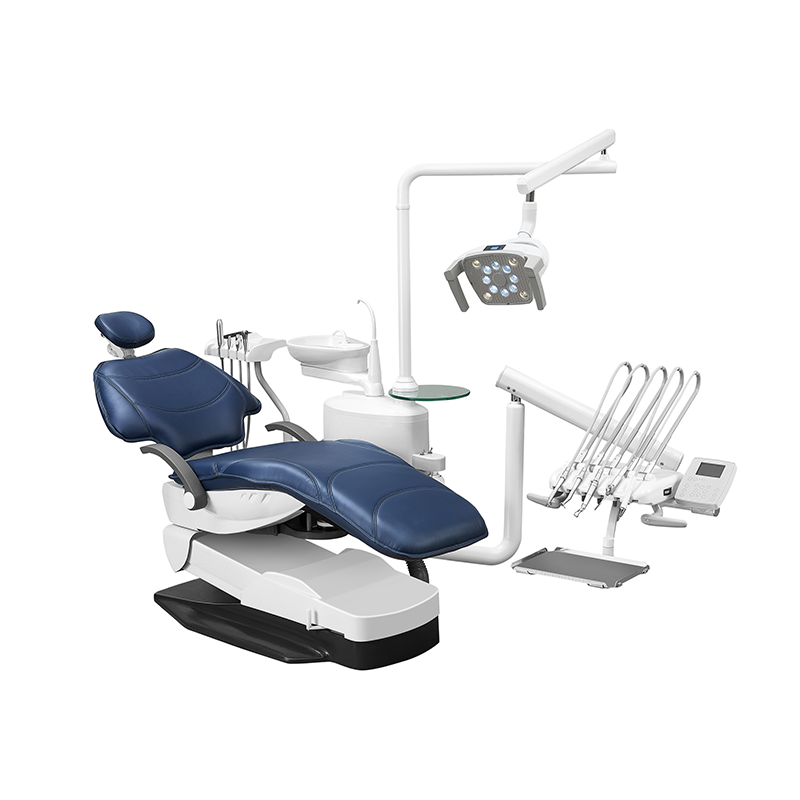
Technology transforms your dental visits. Modern dentist chairs use AI-driven positioning systems that adapt to your body, ensuring you stay comfortable throughout your appointment. Interactive displays let you see real-time information, making you feel involved in your care. Entertainment systems, such as integrated TVs, provide engaging content that distracts you from the procedure and creates a welcoming atmosphere.
Advanced dental chairs increase patient satisfaction by 27%.
Practices see a 34% improvement in operational efficiency with new chair technology.
AI-driven adjustments reduce anxiety and enhance comfort.
You notice that digital systems streamline appointments and minimize wait times. Noise reduction technologies keep equipment quieter than ever, while temperature control maintains a pleasant environment. Ergonomic designs and customizable settings help you relax and cooperate during treatment, leading to better outcomes.
Modern technology in dental offices makes your experience smoother, safer, and more enjoyable.
You can extend your sense of calm after leaving the dental office by following a few simple aftercare steps. Taking care of yourself post-visit helps your body and mind recover, especially if you felt anxious during your appointment.
Rest: Give yourself permission to take it easy for the rest of the day. Avoid activities that demand intense focus or physical effort.
Hydration: Drink plenty of water or clear fluids. This helps combat dry mouth and supports your body’s natural healing process. Try to avoid caffeine and alcohol, as these can increase dehydration.
Manage Discomfort: If you feel any soreness, use over-the-counter pain relievers as recommended by your dentist. Always follow the instructions for any prescribed medication.
Follow Dentist’s Instructions: Your dentist may provide specific aftercare guidelines tailored to your treatment. Adhering to these instructions ensures a smoother recovery and reduces the risk of complications.
Research shows that relaxation techniques, such as deep breathing or listening to calming music, can continue to lower anxiety and distress after your appointment. These methods have proven moderately effective for young people and can benefit adults as well.
Tip: Create a relaxing environment at home by dimming the lights, playing soft music, or practicing gentle breathing exercises.
Building positive memories around dental care can make future visits less stressful. You can use positive reinforcement to shape your attitude and your child’s outlook toward dental appointments.
Offer praise and encouragement for bravery and cooperation during and after each visit.
Simple rewards, like stickers or small toys, can motivate children and help them look forward to future appointments.
Celebrate small milestones, such as sitting calmly in the chair or following aftercare instructions.
Over time, these positive experiences help you and your family develop a more confident and relaxed approach to dental care. You will start to associate dental visits with encouragement and success, making each appointment easier and more comfortable.
You have learned how a modern dentist chair and a calming environment can transform your dental experience. Small adjustments, such as soft lighting and comfortable seating, help reduce anxiety and improve comfort.
“The staff made me feel comfortable from the moment I walked in. The sedation really helped me relax and I got the treatment I needed without fear.”
Open communication with your dentist supports relaxation.
Building rapport with your provider alleviates anxiety.
Share your own tips or stories about relaxing in the dentist chair. Your experience can help others feel at ease during their next visit.
You can expect most dentist chairs to range from $1,000 to $10,000. Entry-level models start lower, while advanced chairs with premium features cost more.
Tip: Always compare features and warranties before purchasing.
You should look for ergonomic design, adjustable headrests, smooth reclining, and easy-to-clean materials.
Integrated controls
Durable construction
Compatibility with dental equipment
You should perform basic cleaning after each patient. Schedule professional maintenance every six months.
Regular upkeep extends the chair’s lifespan and ensures patient safety.
You can upgrade some chairs with accessories like LED lights or new upholstery.
You improve patient satisfaction and reduce anxiety when you choose a comfortable chair.
Comfortable patients are more likely to return and recommend your practice.


