
- All
- Product Name
- Product Keyword
- Product Model
- Product Summary
- Product Description
- Multi Field Search


Views: 0 Author: Site Editor Publish Time: 2025-10-30 Origin: Site


Dental unit water lines deliver water to handpieces and syringes, making them crucial for patient safety in every procedure. Over time, harmful bacteria such as Legionella, Pseudomonas, and Acinetobacter can thrive in these lines. Regular shock treatments reduce the risk of contamination and protect your patients.
Water line contamination remains a global concern for dental practices.
| Bacterial Genera | Type |
|---|---|
| Legionella | Pathogenic |
| Pseudomonas | Pathogenic |
| Acinetobacter | Pathogenic |
A dental unit forms the core of any modern dental practice. You rely on this equipment to deliver essential services, from routine cleanings to complex procedures. The dental unit integrates several components, including the dental chair, delivery system, suction, and water lines. Each part works together to create a safe and efficient environment for both you and your patients. The water lines, in particular, play a vital role in supplying water to handpieces, air/water syringes, and ultrasonic scalers.
Dental unit water lines differ from other water delivery systems in healthcare settings. The following table highlights key differences:
| Feature/Characteristic | Dental Unit Waterlines (DUWLs) | Other Water Delivery Systems |
|---|---|---|
| Water Source | Can use municipal or sterile water | Typically municipal water |
| Contamination Risk | High risk of microbial contamination | Lower risk, routine monitoring in place |
| Maintenance Protocols | Requires specific cleaning and disinfection protocols | Standard maintenance procedures |
| Infection Risk | Potential vehicle for infection, especially for immunocompromised patients | Generally lower risk for healthy individuals |
| Monitoring Frequency | Half-yearly monitoring of water quality | Regular monitoring as per healthcare standards |
Water lines in your dental unit serve as the delivery network for clean water during patient care. These lines connect the water source to various outlets, ensuring that each tool receives a steady flow. Modern dental units feature thoughtful design elements to support this function:
Water inlets for chairs and basins provide reliable access for cleaning and rinsing.
Pipe sizing accommodates multiple chairs or basins, which is crucial in busy clinics.
Waste water management systems handle large volumes from cleaning and sterilization.
Floor traps and venting prevent odors and blockages in high-use areas.
Durable materials like PVC or CPVC resist damage from cleaning chemicals.
Tip: Regular inspection of your water lines helps maintain optimal performance and reduces the risk of contamination.
By understanding how your dental unit and its water lines operate, you can better appreciate the importance of regular maintenance and shock treatments.
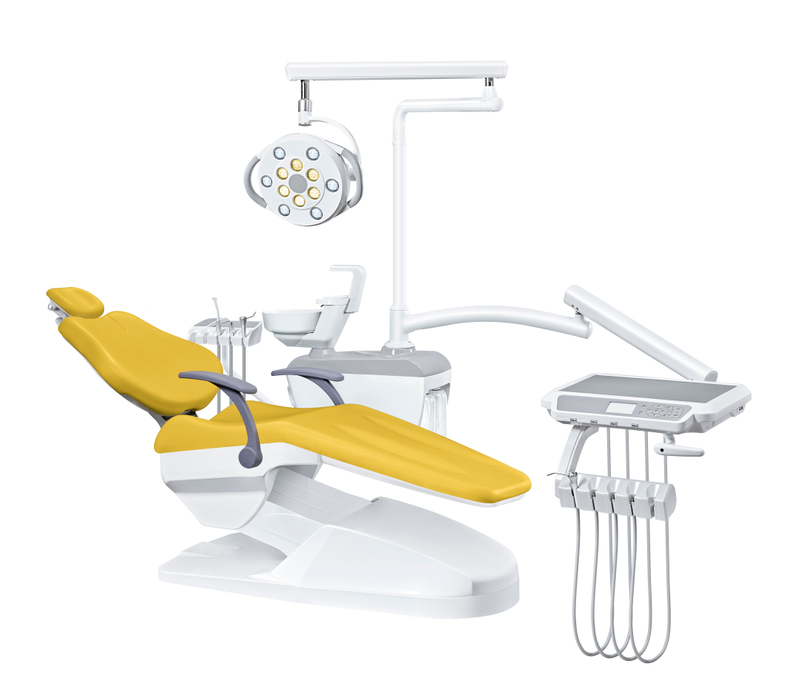
You face significant risks when you neglect water line maintenance in your dental practice. Biofilm can quickly form inside the waterlines, creating a sticky layer where bacteria thrive. This environment allows dangerous pathogens to multiply and spread. Some of the most concerning risks include:
Biofilm formation, which provides a breeding ground for bacteria.
Presence of harmful pathogens such as Legionella, Pseudomonas, and Non-Tuberculous Mycobacteria (NTM).
Increased infection risk for patients, especially those with weakened immune systems.
Health hazards for dental staff, who may inhale aerosolized bacteria during procedures.
In 2022, a CDC advisory reported that 71 patients contracted Nontuberculous Mycobacteria infections after exposure to contaminated waterlines. Many required surgical intervention. Previous outbreaks in 2015 and 2016 led to severe complications, including tooth loss and facial nerve palsy.
Numerous lawsuits have targeted dental practices for failing to maintain waterlines. Many cases settle privately, but the CDC continues to issue health advisories due to these outbreaks. You protect both your patients and your practice by prioritizing waterline hygiene.
Regular shock treatments help you control microbial growth and maintain safe water quality. Professional guidelines recommend a consistent schedule for shocking water lines. The following table summarizes the standard frequency:
| Recommendation | Frequency |
|---|---|
| Shock dental unit water lines | Quarterly |
You should follow this quarterly schedule to ensure compliance with industry standards. Consistent maintenance not only safeguards patient health but also supports your reputation as a responsible dental provider. By keeping your dental unit water lines clean, you create a safer environment for everyone in your practice.
You need the right materials and tools to perform a successful shock treatment on your dental unit water lines. The most common options include both chemical solutions and specialized cleaners. Here is a list of what you should have on hand:
Bleach-water solution: This is a cost-effective and widely used option. You can use a diluted bleach solution, allowing it to run through the water lines for 10-15 minutes before flushing.
Liquid Ultra by Crosstex: This product requires you to let it set overnight before flushing the lines in the morning.
Shocking Dental Unit Waterline Cleaner: This cleaner comes in a 32 FL OZ bottle and is recommended for weekly use.
Personal protective equipment (PPE): Gloves and safety glasses protect you during the process.
Clean water for flushing: You will need this to rinse the lines after treatment.
The annual cost for treating each operatory can range from $3 when using household bleach to $117 for specialized products like Crosstex Liquid Ultra. Shocking Dental Unit Waterline Cleaner costs about $35 per bottle.
Proper preparation ensures that the shock treatment is both safe and effective. Begin by reviewing your dental unit’s manual for any manufacturer-specific instructions. Next, make sure all staff involved have completed training, such as the DHCP Water and Dental Line Maintenance course or the Dental Unit Waterline Safety course. These courses teach you about water quality, biofilm risks, and best practices for maintenance.
Follow these steps to prepare your dental unit:
Turn off the dental unit and disconnect it from the water supply.
Remove any handpieces, air/water syringes, and ultrasonic scaler tips.
Wear your PPE to prevent exposure to cleaning agents.
Prepare your bleach-water solution or chosen cleaner according to the manufacturer’s guidelines.
Tip: Continuous water-line testing, as taught in the Treating and Monitoring Dental Water course, helps you maintain high standards and prevent contamination.
By gathering the right materials and following these preparation steps, you set the stage for a thorough and effective shock treatment.
Begin by switching off your dental unit. This step ensures safety for you and your team. Disconnect the unit from its water source to prevent accidental flow during the process.
Next, drain all water from the waterlines. Activate each handpiece and air/water syringe until no water remains. This step prepares the system for the shock dental waterlines procedure.
Select an effective chemical agent for the shock dental waterlines process. Peer-reviewed research highlights several options:
Peroxide compounds
Chlorine-based compounds
Biocides with chelating agents such as citric acid or EDTA
For a bleach-water solution, mix according to the concentration of your sodium hypochlorite:
5.25-6.25%: 1 part bleach to 9 parts water
7-8.25%: 1 part bleach to 13 parts water
| Chemical | Concentration | Contact Time |
|---|---|---|
| Bleach | 13:1 | 10 minutes |
| Hydrogen Peroxide | EPA approved | Overnight |
Always wear gloves and safety glasses when handling chemicals.
Fill the water reservoir with your prepared bleach-water solution or diluted bleach solution. Run the solution through each line until you detect the chemical odor at the output. This ensures the solution reaches all internal surfaces.
Let the solution remain in the waterlines for the full contact period. Most protocols recommend 10-15 minutes for bleach-based solutions or overnight for hydrogen peroxide. This dwell time maximizes microbial reduction.
After the contact time, flush water through waterlines thoroughly with clean water. Continue until you no longer smell or see any chemical residue. Studies show this step reduces bacterial counts by over 80%, with many units achieving no detectable bacteria after treatment.
Regular shock treatments and proper flushing help you maintain compliance and protect patient health.
After you complete the shock treatment, you must confirm that your dental unit water lines are safe for patient use. Begin by flushing each line with approximately 500 mL of non-treated water. This step removes any residual chemicals and prevents mixing of incompatible products. Always use water with less than 500 CFU/mL to ensure safety.
You should test the water quality using validated neutralization methods. Start with monthly testing to establish a baseline. Once you achieve consistent results, you can move to quarterly testing. Reliable laboratory methods include the Spread Plate R2A Agar Method (9215C) and the Membrane Filtration Method (9215D).
| Method | Description |
|---|---|
| Spread Plate R2A Agar Method (9215C) | Recommended for testing water quality post-shock treatment |
| Membrane Filtration Method (9215D) | Reliable for assessing microbial levels in waterlines |
If a line fails testing, perform an immediate shock and retest as soon as possible. For microbial counts in the caution range (200 to 500 CFU/mL), continue regular treatment and retest within a week.
Tip: Wait 3-5 days after shock treatment before retesting. This helps you avoid false results from residual biofilm.
Consistent maintenance keeps your water lines free from biofilm and bacteria. You should:
Flush water lines with non-treated water before and after each shock treatment.
Rotate shock products to prevent bacteria from developing resistance.
Use daily waterline treatment products to stop new biofilm from forming.
Document all products used and water test results for compliance and future reference.
| Best Practice | Description |
|---|---|
| Change shock product | Rotate antimicrobial agents to prevent resistance. |
| Rinse and Repeat | If CFU counts exceed 5,000, perform at least three consecutive shocks. |
| Don’t Stop Treating | Use daily treatments to prevent new biofilm growth. |
| Document | Keep detailed records for compliance and audits. |
By following these steps, you protect your patients and maintain a high standard of care in your dental practice.
You may encounter several recurring problems with dental unit water lines, even after performing shock treatments. These issues can compromise water quality and patient safety if not addressed promptly. The most frequently reported problems include:
Some bacteria develop resistance to shock products, requiring you to switch agents periodically.
Filling water bottles with contaminated water introduces new biofilm into the system.
Stagnant water in unused sections, known as dead legs, encourages biofilm growth.
Slow-speed handpiece lines often act as dead legs and need regular flushing.
Dental unit water bottles accumulate biofilm without consistent cleaning.
Switching between city water and bottle systems with a toggle switch can allow untreated water to enter the lines.
Tip: Regular inspection and cleaning of all water-carrying components help you prevent these common problems.
When your dental unit water lines fail to meet microbial safety standards after shocking, you need a systematic approach to resolve the issue. Follow these troubleshooting steps to restore safe water quality:
Confirm that you treat dental units according to the recommended schedule. Skipping treatments allows biofilm to regrow quickly.
Make sure you treat every water-carrying line, including those not used daily. Bacteria can hide in these areas and spread throughout the system.
Perform air purges before and after chemical treatments. This step improves the effectiveness of the shock solution and reduces dilution.
Adhere to the recommended contact time for each treatment. Shortening this period can reduce the solution’s ability to eliminate bacteria.
Use the correct dilution ratio for your chemical agent. Incorrect mixing can lower efficacy and may damage your equipment.
Note: Document each troubleshooting step and water test result. This record supports compliance and helps you track improvements over time.
By addressing these issues and following a structured troubleshooting process, you maintain high standards of waterline hygiene and protect everyone in your dental practice.
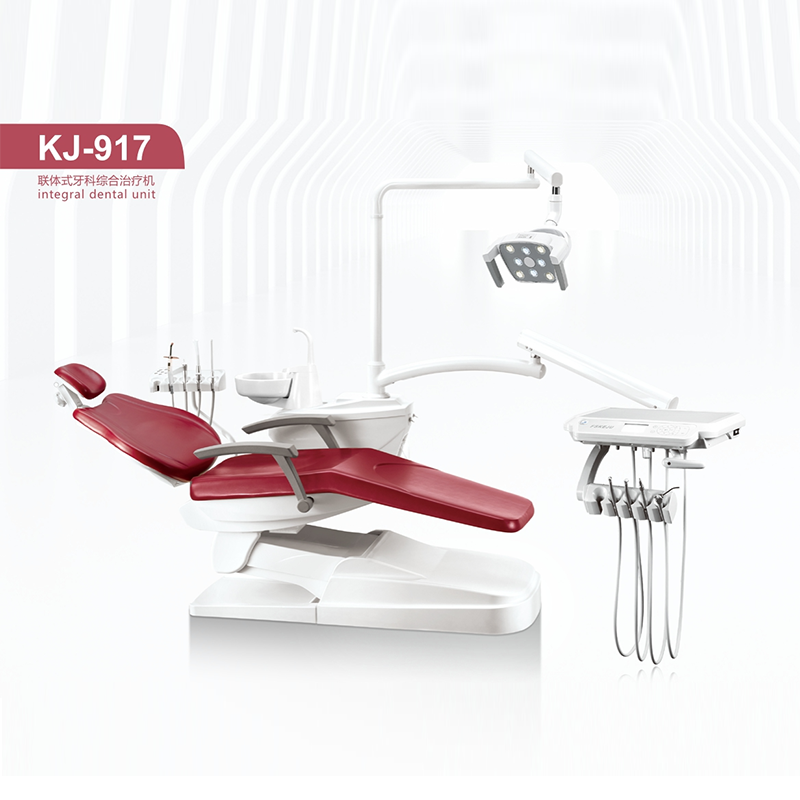
You must follow strict standards to ensure the water in your dental unit remains safe for patients and staff. Leading organizations set clear guidelines for microbial levels in dental unit water lines:
The Environmental Protection Agency (EPA), American Public Health Association, and American Water Works Association require water to have less than 500 colony-forming units per milliliter (CFU/mL).
The Centers for Disease Control and Prevention (CDC) reinforces this standard, stating that dental unit water must meet or exceed the EPA’s safe drinking water level.
The American Dental Association (ADA) recommends an even lower threshold, advising that microbial counts stay below 200 CFU/mL.
The CDC’s guidelines emphasize that bacterial counts should be as low as reasonably achievable and never exceed 500 CFU/mL.
In recent studies, most dental units exceeded the ADA’s recommended levels, highlighting the need for regular monitoring and maintenance.
You should always aim to keep microbial levels well below these limits to protect your patients and maintain your reputation.
Proper maintenance of your dental unit water lines is essential for meeting regulatory requirements and avoiding penalties. Several organizations oversee compliance in dental practices:
| Organization | Compliance Requirement |
|---|---|
| CDC | Guidelines for Infection Control in Dental Health-Care Settings; Summary of Infection Prevention Practices in Dental Settings |
| OSHA | Bloodborne Pathogens Standard |
You must use approved waterline treatment products and follow manufacturer instructions to ensure water quality meets EPA standards (≤ 500 CFU/mL). For surgical procedures, always use sterile saline or water with the correct delivery devices.
Assign a staff member to manage waterline maintenance and keep detailed records of all treatments and test results.
Follow the manufacturer’s cleaning recommendations and establish a regular maintenance schedule.
Failure to comply can result in severe consequences. Some practices have faced over 150 lawsuits after infection outbreaks. Fines can reach $10,000 per day for missing documentation, and OSHA penalties may exceed $100,000 for infection control violations.
By maintaining your dental unit water lines, you not only protect your patients but also ensure your practice meets all legal and professional standards.
You play a vital role in protecting your patients by regularly shocking and maintaining your dental unit water lines. Consistent shock treatments with sodium hypochlorite help eliminate harmful microorganisms and prevent resistance to biocides. Dental professionals widely recognize the necessity of these practices, yet ongoing maintenance and testing remain essential for long-term safety.
| Study Source | Key Finding | Knowledge Gap | Challenges |
|---|---|---|---|
| ADA Science & Research Institute | 85% value infection prevention via waterlines | One-third unsure about CDC compliance | Nearly half lack an infection control coordinator |
Share your experiences or questions in the comments below. Your commitment to waterline hygiene sets the standard for patient care.
You should perform shock treatments every three months. This schedule helps you control biofilm and bacteria. Quarterly maintenance supports compliance with industry standards and keeps your dental unit safe for patients.
You can use sodium hypochlorite (bleach) or hydrogen peroxide. Both chemicals effectively reduce bacteria. Always follow manufacturer instructions and wear protective equipment during the process.
You should avoid using untreated tap water. Use water that meets EPA standards for drinking water, with less than 500 CFU/mL. This practice helps you prevent contamination and maintain patient safety.
Yes, you should test water quality after each shock treatment. Reliable methods include the Spread Plate R2A Agar and Membrane Filtration. Testing confirms that your water lines meet safety standards.
You need to repeat the shock treatment immediately. Retest the water after three to five days. If counts remain high, consult your dental unit manufacturer or a waterline specialist for further guidance.


