
- All
- Product Name
- Product Keyword
- Product Model
- Product Summary
- Product Description
- Multi Field Search


Views: 0 Author: Site Editor Publish Time: 2025-11-06 Origin: Site


Visiting the dentist can be a source of anxiety for many people, often triggered by past experiences or fear of the unknown. Understanding this dental anxiety is the first step toward overcoming it. By recognizing the signs and employing effective relaxation techniques, you can transform your dental visits from stressful events into more manageable experiences. In this article, we will explore various strategies to help you relax in the dentist chair, ensuring that you receive the necessary care for your oral health without the burden of anxiety.
Dental anxiety shows up in many ways, and spotting these signs early helps manage them better. Common signs include:
● Racing heart or feeling your pulse speed up when you enter the dental office.
● Sweating even if you’re sitting still.
● Nausea or an upset stomach before or during the visit.
● Trouble sleeping the night before an appointment.
● Feeling nervous, tearful, or on edge thinking about the dentist.
● Avoiding or delaying dental visits altogether.
These reactions are your body’s way of responding to stress. They’re real and deserve attention.
Why does dental anxiety happen? Often, it starts from past painful or uncomfortable experiences. Other times, it’s fear of the unknown or the sounds and smells of the dental clinic. Some people feel helpless during treatments, which adds to their worry. Even stories from others can trigger anxiety.
This anxiety doesn’t just make visits unpleasant. It can lead to skipping appointments, which harms oral health. Problems like cavities, gum disease, or tooth loss can worsen without regular care. Anxiety creates a cycle: fear causes avoidance, and avoidance leads to more dental issues, which then increase fear.
Understanding these causes and effects helps break the cycle. When you know what triggers your anxiety, you can prepare and use techniques to feel calmer. This knowledge empowers you to take control of your dental health.
Recognizing your specific dental anxiety triggers allows for personalized strategies that improve patient comfort and oral health outcomes.
Finding the right dentist can truly transform your dental visit experience. Beyond their professional skills in treatments like cleanings or cavity repairs, their ability to listen, empathize with your fears, and communicate gently matters greatly—it eases anxiety and makes each appointment feel far less daunting.
A dentist who shows empathy can help calm your nerves. They listen carefully and respond kindly. When you feel understood, it’s easier to relax. Good communication means your dentist explains each step clearly, so you know what to expect. This reduces the fear of the unknown, which often causes anxiety.
Look for dentists who specialize in treating anxious patients or mention anxiety management on their websites. You can ask friends or family for recommendations. Reading online reviews can also help you find a caring professional. Some dentists offer initial consultations just to talk about your concerns without any treatment. This can help you see if you feel comfortable with them.
Before your appointment, call the dental office and ask about their approach to patients with anxiety. Do they allow breaks during treatment? Do they use calming techniques? Knowing these details can help you choose the right dentist.
Trust grows over time. Start by sharing your fears honestly with your dentist. A good dentist will respect your feelings and adjust their approach. They might explain things slowly or check in often during treatment to make sure you’re okay. If you feel nervous, tell them so they can pause or offer reassurance.
Regular visits help build familiarity and trust. The more you see your dentist, the more comfortable you’ll feel. Trust also means knowing your dentist has your best interests at heart. When you believe they care about your comfort, it’s easier to sit back and relax.
When choosing a dentist, schedule a preliminary visit to discuss your anxiety and see if their communication style makes you feel comfortable and supported.
The environment around you during a dental visit plays a surprisingly big role in how relaxed you feel. Soft lighting instead of harsh overhead bulbs, gentle background music to drown out drill sounds, and even cozy waiting area seats or calming wall art—these small changes can ease jittery nerves and turn a stressful appointment into a far more comfortable, manageable experience.
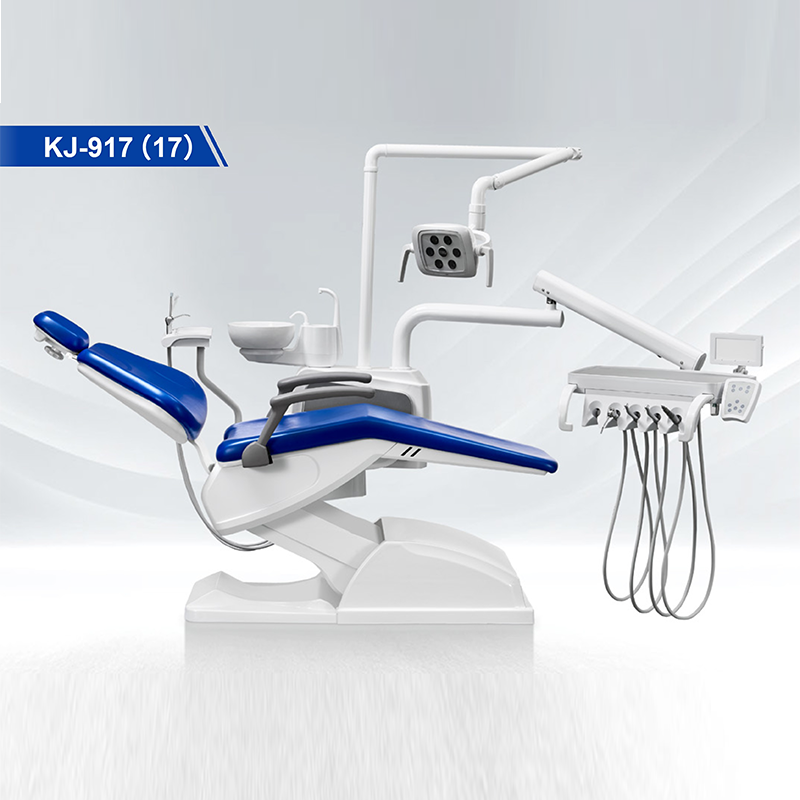
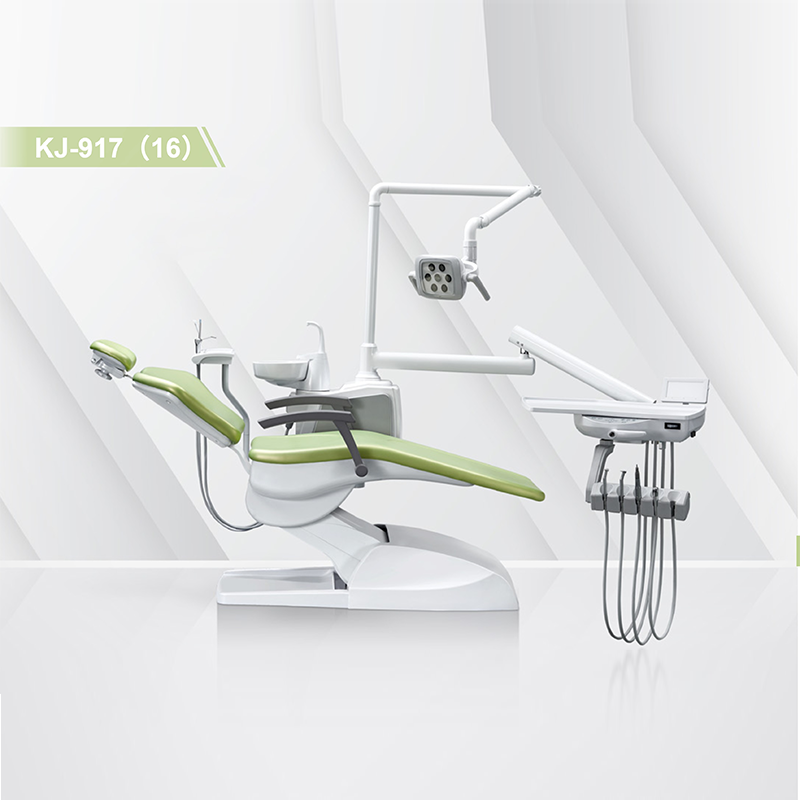
A dental chair isn’t just where you sit; it’s where your body needs to feel supported and at ease. Modern dental chairs are designed to provide ergonomic support, helping reduce muscle tension. Features like adjustable headrests, padded cushions, and reclining options allow you to find a position that feels just right. Some offices even offer heated chairs or soft blankets, which can add a cozy touch and help ease muscle stiffness.
When your body feels comfortable, your mind often follows. A well-designed chair can reduce the physical stress that adds to anxiety during dental procedures.
Music is a powerful tool for relaxation. Many dental offices provide headphones so you can listen to calming music during your treatment. Soft instrumental tunes, nature sounds, or even your favorite playlist can distract you from the sounds of dental tools, which often trigger anxiety.
Ambient noise, like white noise or gentle water sounds, can also mask unpleasant sounds in the clinic. This helps create a peaceful atmosphere that feels less clinical and more welcoming. Bringing your own music or noise-canceling headphones gives you control over what you hear, which can help you feel safer and more relaxed.
Bright dental lights can be harsh and add to discomfort. Wearing tinted or colored glasses softens the light, reducing glare and making it easier on your eyes. These glasses also serve as a visual distraction, helping you focus less on the procedure and more on something soothing.
Some patients find that colored lenses create a calming effect, almost like wearing sunglasses on a sunny day. This simple addition can help reduce sensory overload and make the experience less intense.
When scheduling your dental appointment, ask if the office offers comfort features like adjustable chairs, music options, or tinted glasses to create a more relaxing environment tailored to your needs.
Talking openly with your dentist is a powerful way to ease dental anxiety—far more impactful than many realize. When you share your fears, whether it’s the sound of the drill or worry about pain, and feel truly heard and understood in return, the tension in your body melts away, making it so much easier to relax. Here’s how you can make this two-way communication work for you during every dental visit, turning uncertainty into comfort.
Don’t hold back your worries or fears. Tell your dentist exactly what makes you nervous. Whether it’s pain, sounds, or past bad experiences, sharing helps your dentist adjust their approach. Asking questions about each step of the procedure can also calm your mind. When you know what’s coming next, the unknown becomes less scary. For example, ask how long a treatment will take or if you’ll feel any discomfort. This clarity builds trust and reduces anxiety.
Pain is often the biggest fear for dental patients. Talk with your dentist about all pain control options available. This might include numbing gels, local anesthesia, or sedation. Your dentist can create a personalized pain management plan to keep you comfortable. Knowing there’s a plan in place helps you feel safer. If you’re worried about needles or injections, mention it. Your dentist can explain alternatives or techniques to make it easier.
Having control during treatment can greatly reduce stress. Agree on a simple stop signal with your dentist, like raising your hand. This signal lets you pause the procedure anytime you feel overwhelmed. Practicing it before the treatment begins ensures both of you understand it clearly. This way, you stay in charge, which can ease anxiety significantly. It also helps your dentist know when to slow down or check in with you.
Before your appointment, prepare a list of concerns and questions to discuss with your dentist, ensuring clear communication and a more comfortable experience.
Distraction techniques can be powerful tools to help you relax in the dentist chair. They shift your focus away from the procedure and reduce anxiety, making the experience more comfortable.
Many dental offices now offer entertainment to help patients stay calm. Some have TVs mounted on the ceiling so you can watch your favorite shows or movies during treatment. Others provide virtual reality (VR) headsets that immerse you in calming, scenic environments. These distractions engage your mind and keep it busy, so you think less about the dental work.
Music is another common option. Some clinics offer headphones with a choice of soothing playlists or nature sounds. Listening to music you enjoy can drown out the sounds of drills and other dental tools, which often trigger anxiety.
If your dental office doesn’t provide entertainment, you can use mental imagery to distract yourself. Imagine yourself in a peaceful place, like a beach or a quiet forest. Picture the details — the sound of waves, the warmth of the sun, the scent of pine trees. This mental escape helps reduce stress and keeps your mind off the procedure.
Other mental games work well too. Try counting backward from 100 by sevens or think of a word starting with each letter of the alphabet. These exercises require concentration, which helps block anxious thoughts.
Breathing is a simple but effective way to calm your nerves. Try slow, deep breaths: inhale through your nose for four seconds, hold for four, then exhale through your mouth for four. This pattern slows your heart rate and relaxes your body.
During treatment, focus on your breath whenever you feel tension rising. Counting your breaths or silently repeating calming words can keep your mind steady. Breathing exercises are easy to do anytime and require no special tools.
Bring noise-canceling headphones and prepare a mental escape plan before your appointment to maximize distraction and reduce dental anxiety.
For some people, dental anxiety is so strong that traditional relaxation techniques aren’t enough. Sedation dentistry offers a safe and effective way to ease anxiety during dental visits, helping patients feel calm and comfortable throughout their treatment.
● Nitrous Oxide (Laughing Gas): This is a mild sedative inhaled through a mask. It helps you relax but keeps you awake and aware. The effects wear off quickly after the mask is removed, making it a popular choice for mild to moderate anxiety.
● Oral Sedatives: Taken as a pill before your appointment, oral sedatives range from mild to moderate sedation. They help calm nerves and may make you drowsy but usually keep you conscious. You’ll need someone to drive you home after.
● IV Sedation: Administered through a vein, IV sedation works quickly and offers a deeper level of relaxation. You remain conscious but may have limited memory of the procedure. This method is suitable for more severe anxiety or longer treatments.
● General Anesthesia: This is used for extensive dental surgery or when other sedation methods aren’t enough. It makes you completely unconscious and requires careful monitoring by trained professionals.
Sedation dentistry is generally safe when administered by qualified dentists or anesthesiologists. Before choosing sedation, your dental team will review your medical history, current medications, and any health conditions to ensure the method suits you.
Some factors to consider:
● Age and weight
● Allergies or reactions to medications
● Respiratory or heart conditions
● Pregnancy or breastfeeding status
Your dentist will explain potential side effects and how to prepare for sedation, including fasting or arranging transportation home.
Choosing sedation is a personal decision, best made after discussing your anxiety level and dental needs with your dentist. Ask questions like:
● What sedation options are available for my procedure?
● What are the risks and benefits of each option?
● How will sedation affect me during and after treatment?
● What should I do to prepare for sedation?
Understanding these details helps you feel more in control and confident. Sedation can transform a stressful dental visit into a calm, manageable experience, allowing you to receive the care you need without fear.
Always consult your dentist about sedation options early, so they can tailor a safe, effective plan that fits your anxiety level and health profile.
Dental anxiety can feel overwhelming, but mindfulness and relaxation techniques offer powerful ways to calm your mind and body during dental visits. These strategies help you stay present, reduce tension, and create a sense of control.
Mindfulness means paying attention to the present moment without judgment. When you focus on your breathing or bodily sensations, you can shift away from anxious thoughts. Before and during your appointment, try to:
● Take slow, deep breaths. Inhale through your nose for four seconds, hold briefly, then exhale through your mouth.
● Notice how your body feels in the chair—the support of the cushion, the temperature of the room.
● Let go of worries about what might happen next by gently bringing your attention back to your breath or surroundings.
Guided imagery complements mindfulness by inviting you to imagine a peaceful place. Picture yourself on a calm beach, feeling the warmth of the sun and hearing gentle waves. Or visualize walking through a quiet forest, smelling fresh pine and hearing birdsong. This mental escape distracts your brain from the dental procedure and lowers stress.
Another effective method is progressive muscle relaxation (PMR). It involves tensing and then relaxing muscle groups one at a time, helping release physical tension that anxiety causes. You can do this quietly in the dentist chair:
1. Start with your feet. Curl your toes tightly for a few seconds, then relax.
2. Move to your calves, thighs, and hips, repeating the tension and release.
3. Continue up through your abdomen, chest, arms, shoulders, neck, and face.
4. Focus on the feeling of relaxation spreading as you release each muscle group.
PMR helps your body physically unwind, which signals your brain to relax too.
How you prepare before your dental visit can influence your anxiety levels. Establishing a calming pre-appointment routine sets a positive tone:
● Practice mindfulness or PMR at home before leaving.
● Listen to soothing music or a guided meditation.
● Avoid caffeine or sugar, which may increase nervousness.
● Arrive early to avoid rushing and give yourself time to settle.
● Bring headphones, a stress ball, or a comforting item to the office.
Having a routine gives you a sense of control and readiness. It transforms the dental visit from something scary into a manageable event.
Practice deep breathing and progressive muscle relaxation daily before dental appointments to build calmness that carries into the dentist chair.
Understanding dental anxiety and employing strategies like mindfulness, communication, and sedation can help relax in the dentist chair. Regular dental visits are crucial for maintaining oral health, and addressing anxiety ensures you don't skip them. If dental anxiety persists, seek help and support to manage it effectively. Companies like FOSHAN KEJU MEDICAL APPARATUS CO., LTD offer products that enhance comfort and relaxation, providing value to those experiencing dental anxiety.
A: A dentist chair is designed to support and comfort patients during dental treatments, featuring ergonomic support, adjustable headrests, and reclining options.
A: Relaxation techniques like deep breathing, listening to music, or using mental imagery can help ease anxiety in the dentist chair.
A: Anxiety in a dentist chair often stems from past experiences, fear of the unknown, or discomfort with dental tools and procedures.


