
- All
- Product Name
- Product Keyword
- Product Model
- Product Summary
- Product Description
- Multi Field Search


Imagine visiting the dentist without the essential tools and equipment that make dental care possible. Dental units are the backbone of modern dentistry, providing the necessary components for effective oral health care. In this post, you'll learn about what a dental unit is and its critical role in maintaining oral health. We'll explore the components, types, and technologies that make dental units indispensable in dental practices today."
A dental unit is made up of several essential parts, each playing a key role in delivering effective, safe, and comfortable dental care. These components work in harmony, from patient-supporting chairs to tool-integrated consoles, ensuring dentists can perform treatments smoothly while prioritizing patient well-being.
The dental chair is where patients sit during examinations and treatments. It’s designed for comfort and adjustability to accommodate different procedures. Most chairs can recline and move up or down, allowing dentists to position patients optimally. Ergonomic design helps reduce strain on both patients and dental professionals.
The delivery system holds the tools dentists use directly. This includes handpieces—small drills or polishers powered by air or electricity—and air-water syringes. The syringe sprays air, water, or a mix of both to clean teeth or dry surfaces during treatment. Tubing connects these instruments to air and water supplies, ensuring smooth operation.
Assistants rely on suction devices and saliva ejectors to keep the patient’s mouth clear during procedures. Suction devices remove saliva, blood, and debris to maintain a dry working field. Saliva ejectors are smaller and used for gentle suction of saliva. These instruments help improve visibility and hygiene throughout treatment.
The operator’s console acts as the control center. It allows dentists to adjust the chair’s position, switch instruments on or off, and control water and air flow. Modern consoles often feature touchscreen panels for easy access to settings. This centralized control helps streamline workflow and enhances precision.
Water and air are vital for many dental tools. The unit includes a water supply for rinsing and cooling instruments, and compressed air to power handpieces and syringes. These systems must be clean and well-maintained to prevent contamination and ensure patient safety.
Dental procedures generate waste like saliva, blood, and debris. Waste management systems safely remove and dispose of these materials. This includes suction lines connected to filters and traps that prevent blockages and maintain hygiene. Proper waste handling is critical to infection control and regulatory compliance.
Regular inspection of each dental unit component ensures smooth operation and safeguards patient safety in dental practices.
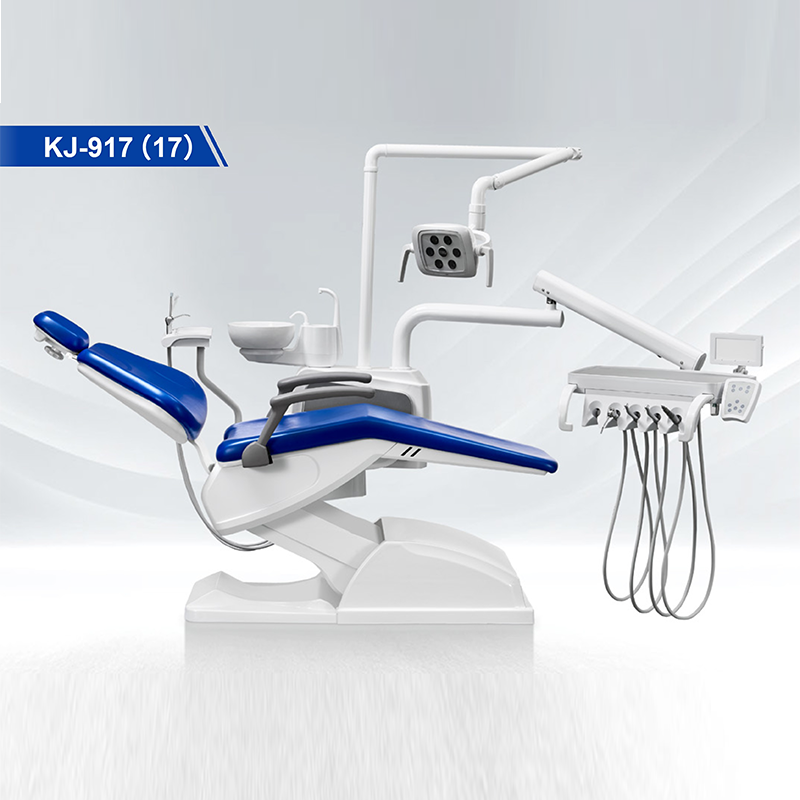
Dental units come in various types, each designed to meet specific needs in dental care settings. Understanding these types helps dental professionals choose the right equipment for their practice. Here’s a closer look at the main categories:
Traditional dental units are the most common in many dental offices. They usually feature a fixed delivery system mounted beside the dental chair. These units provide all necessary tools, such as handpieces, air-water syringes, and suction devices, arranged in a way that suits the dentist’s workflow. While they offer reliable performance, traditional units tend to be less flexible in terms of mobility. They are ideal for established clinics where space and setup remain constant.
Mobile dental units are designed for portability and flexibility. These units are compact and often mounted on carts or trolleys, allowing easy movement between rooms or even different locations. Mobile units are especially useful for outreach programs, emergency dental care, or temporary clinics in schools, nursing homes, or rural areas. They typically include essential components like a chair, delivery system, and suction but may have fewer features than traditional units due to size constraints.
Integrated dental units combine all necessary components into a single, streamlined system. These units are space-saving and often feature a compact design that incorporates the chair, delivery system, operator’s console, and sometimes imaging devices. Integrated units suit smaller practices or specialized clinics where space optimization is crucial. They often include modern technologies, such as touchscreen controls and LED lighting, enhancing both functionality and aesthetics.
When selecting a dental unit type, consider your practice’s space, mobility needs, and the range of procedures performed to ensure optimal workflow and patient care.
Modern dental units come equipped with advanced features designed to improve comfort, efficiency, and safety for both patients and dental professionals. These innovations help streamline dental procedures while enhancing the overall experience. Let’s explore some key features and technologies found in today’s dental units.
Ergonomics plays a major role in modern dental unit design. Chairs and controls are shaped to support natural body posture, reducing strain and fatigue during long procedures. Adjustable chairs allow dentists to position patients comfortably, while operators can easily reach instruments without awkward movements. This focus on comfort benefits both patients and practitioners by promoting relaxation and reducing the risk of musculoskeletal injuries.
Many dental units now feature touchscreen control panels. These intuitive interfaces let dentists adjust chair positions, select instruments, and control water and air flow quickly. Touchscreens simplify complex settings, making it easier to switch between tools or customize treatment parameters. This technology saves time and reduces errors during procedures.
Bright, adjustable LED lights are standard in modern dental units. These lights provide clear illumination of the oral cavity, helping dentists see fine details and work precisely. LED technology offers longer-lasting, energy-efficient lighting compared to traditional bulbs. Dentists can adjust brightness and direction to reduce shadows and eye strain.
Some dental units include built-in imaging systems like intraoral cameras or digital X-ray sensors. These tools capture real-time images of teeth and gums, aiding diagnosis and treatment planning. Integrated imaging saves time by eliminating the need to move patients to separate rooms for scans. It also helps educate patients by displaying images chairside.
Infection control is critical in dental care. Modern units incorporate features like autoclavable instrument holders, smooth surfaces for easy cleaning, and disposable barriers to prevent cross-contamination. Some units use anti-microbial materials or UV light sterilization to further reduce infection risks. These measures ensure patient safety and comply with health regulations.
To improve patient experience, many dental units now offer multimedia systems. These include screens that play videos, educational content, or calming visuals during treatments. Chairside multimedia helps distract anxious patients, making visits less stressful. It also serves as a tool for dentists to explain procedures or oral hygiene tips.
When choosing a dental unit, prioritize ergonomic design and integrated infection control features to enhance workflow efficiency and patient safety in your practice.
Proper maintenance and safety checks are vital for dental units. They ensure smooth operation, patient safety, and compliance with health standards. Let’s break down the key areas every dental practice should focus on.
Dental units have many moving parts and delicate instruments. Regular maintenance includes:
● Cleaning and lubricating handpieces and other instruments
● Checking hoses and tubing for leaks or wear
● Inspecting suction systems and filters for blockages
● Testing chair mechanics and controls for smooth operation
● Verifying water and air supply lines remain clean and uncontaminated
Scheduling routine inspections helps catch issues early. This prevents unexpected breakdowns that could disrupt patient care. Many manufacturers provide maintenance schedules and guidelines. Following these recommendations extends equipment life and saves costs over time.
Infection control is non-negotiable in dentistry. Dental units must support strict sterilization practices to prevent cross-contamination. Key protocols include:
● Using autoclavable instrument holders and detachable parts
● Applying disposable barriers on surfaces touched during treatment
● Flushing water lines regularly to reduce microbial buildup
● Cleaning and disinfecting all surfaces between patients
● Adhering to local and international infection control standards
Proper sterilization protects patients and staff from infections. It also ensures compliance with regulatory bodies like the CDC or OSHA. Many modern dental units incorporate materials and designs that simplify cleaning and sterilization.
Dental units rely on electrical power for many functions. Ensuring electrical safety prevents accidents and equipment damage. Important steps include:
● Regularly checking electrical cords and plugs for damage
● Confirming proper grounding of the unit to avoid shocks
● Testing emergency stop functions and circuit breakers
● Ensuring compliance with national electrical safety standards
● Training staff on safe operation and emergency procedures
Non-compliance with electrical safety regulations can lead to serious hazards and legal consequences. Dental practices should keep documentation of all safety inspections and repairs.
Establish a detailed maintenance log for each dental unit, tracking inspections, repairs, and sterilization routines to ensure consistent safety and optimal performance.
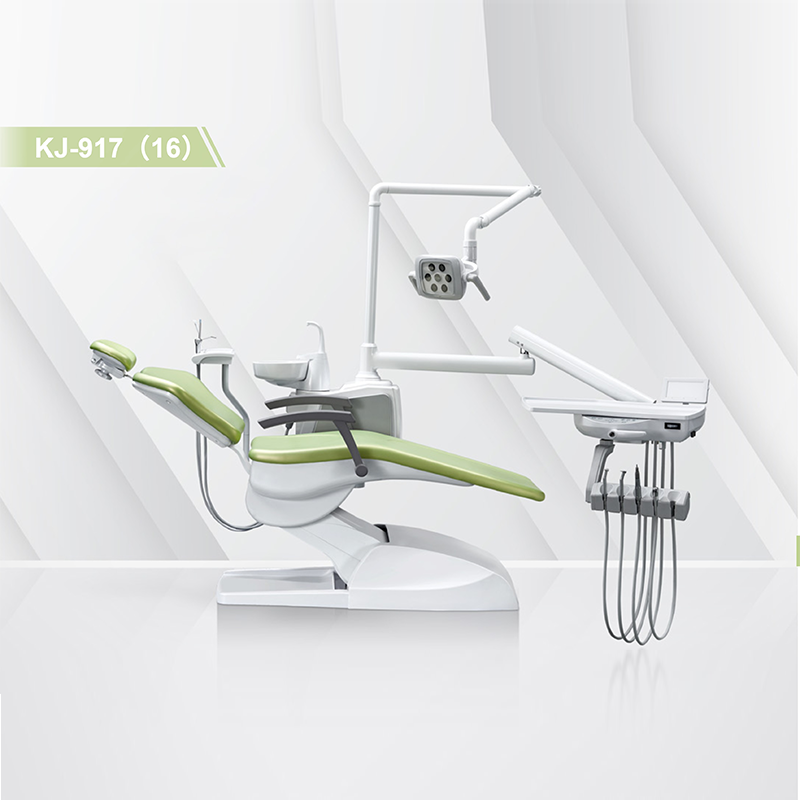
Dental units have evolved significantly, integrating cutting-edge technology to improve dental care quality and efficiency. These advancements not only enhance treatment precision but also streamline workflows and expand service capabilities. Let’s explore the key technological innovations shaping modern dental units.
Modern dental units often connect seamlessly with Electronic Health Records (EHRs). This integration allows dentists to access patient histories, treatment plans, and diagnostic images directly from the dental unit’s console. It reduces paperwork, minimizes errors, and speeds up decision-making during appointments. For example, a dentist can review X-rays and update notes without leaving the chairside, improving patient care continuity.
This digital link also supports scheduling, billing, and inventory management, making the practice more efficient overall. It helps dental teams stay organized and focused on patient treatment rather than administrative tasks.
Tele-dentistry is transforming how dental care reaches patients, especially in remote or underserved areas. Some advanced dental units support tele-dentistry by enabling real-time video consultations and remote diagnostics. Dentists can evaluate patients, discuss symptoms, and recommend treatments without requiring an in-person visit.
This capability expands access to dental care, reduces travel time for patients, and allows specialists to collaborate easily. For example, a general dentist can consult with an orthodontist via tele-dentistry tools integrated into the dental unit, ensuring expert input without delays.
Artificial Intelligence (AI) is becoming a game-changer in dental technology. AI-powered dental units can analyze patient data to assist in diagnosis, treatment planning, and equipment maintenance. For instance:
● Predictive Maintenance: AI algorithms monitor the dental unit’s components and alert staff when servicing is needed, preventing unexpected breakdowns.
● Treatment Planning: AI can suggest optimal treatment approaches based on patient history and imaging, supporting dentists’ clinical decisions.
● Workflow Automation: AI helps manage appointment scheduling and patient flow, reducing wait times and enhancing practice efficiency.
These smart features free up dental professionals to focus more on patient care and less on routine tasks.
When investing in new dental units, prioritize models offering digital integration, tele-dentistry support, and AI capabilities to future-proof your practice and enhance patient care quality.
Dental units are essential in modern dentistry, comprising chairs, delivery systems, and waste management. Future trends include digital integration and AI-powered features, enhancing care quality and efficiency. Companies like FOSHAN KEJU MEDICAL APPARATUS CO.,LTD provide advanced dental units, offering unique benefits such as ergonomic designs and infection control measures. Their products ensure optimal workflow and patient safety, positioning them as valuable assets in dental practices.
A: A dental unit is a comprehensive system comprising several components, including a chair, delivery system, and operator's console, essential for performing dental procedures.
A: A dental unit functions by integrating various tools and systems like handpieces, air-water syringes, and suction devices, allowing dentists to perform treatments efficiently.
A: Regular maintenance of a dental unit ensures smooth operation, prevents breakdowns, and safeguards patient safety by adhering to strict hygiene and safety standards.


