
- All
- Product Name
- Product Keyword
- Product Model
- Product Summary
- Product Description
- Multi Field Search


Views: 0 Author: Site Editor Publish Time: 2026-06-19 Origin: Site


Clinical procurement has fundamentally shifted in recent years. Dental chairs are no longer just mechanical seating for your patients. They now serve as the digital command centers of the modern operatory. Practice owners and procurement managers face a distinct challenge today. You must balance the high capital expenditure of new equipment against pressing clinical needs. Your practice requires peak workflow efficiency, provider ergonomics, and premium patient experiences. Moving beyond basic functionality requires a critical evaluation of these new features. We will explore which advancements—from integrated diagnostics to automated positioning—actually deliver measurable returns and clinical reliability. You will discover how to navigate the market and select equipment designed for the future.
Workflow Efficiency: Advanced memory positioning and centralized digital controls drastically reduce transition times between patients and procedures.
Provider Longevity: Next-generation ergonomics prioritize the physical health of the dental team, minimizing repetitive strain and musculoskeletal disorders.
Patient Retention: Integrated multimedia and seamless, quiet operations actively reduce dental anxiety and elevate the perceived value of the practice.
Strategic Procurement: Selecting the right equipment requires looking past flashy tech to evaluate integration readiness, post-sale support, and manufacturer credibility.
Evaluating new equipment begins by defining the current baseline. Legacy hydraulic and mechanical chairs served dentistry well for decades. However, they rely on analog switches and manual adjustments. Modern electro-mechanical systems operate entirely differently. They integrate software, sensors, and silent motors into a unified ecosystem. This transition defines the core of smart dental chair technology.
A successful equipment upgrade must achieve three distinct clinical criteria. First, it must decrease chair-turnover time. Second, it needs to improve clinical precision during treatments. Third, it must actively reduce provider fatigue. If a new unit fails to meet these benchmarks, it remains a novelty rather than a sound investment.
You can frame the financial justification around concrete return metrics. Upgraded systems directly increase daily patient throughput. You lose fewer minutes adjusting angles or fetching secondary diagnostic tools. Furthermore, modern digital chairs reduce maintenance-related downtime. They alert you to service needs before complete mechanical failures occur. High-tech patient presentations also enhance case acceptance rates. Patients trust practices utilizing modern, transparent diagnostic tools.
The chart below outlines the operational differences between older mechanical units and modern smart systems.
Operational Metric | Legacy Mechanical Systems | Modern Smart Systems |
|---|---|---|
Positioning Speed | Manual adjustments via foot pedal | One-touch programmable memory recall |
Diagnostic Integration | Separate standalone monitors | Seamless screen and sensor integration |
Patient Comfort | Basic recline causing patient sliding | Synchronized movement and lumbar support |
Infection Control | Physical buttons harboring bacteria | Flat touchscreen interfaces |
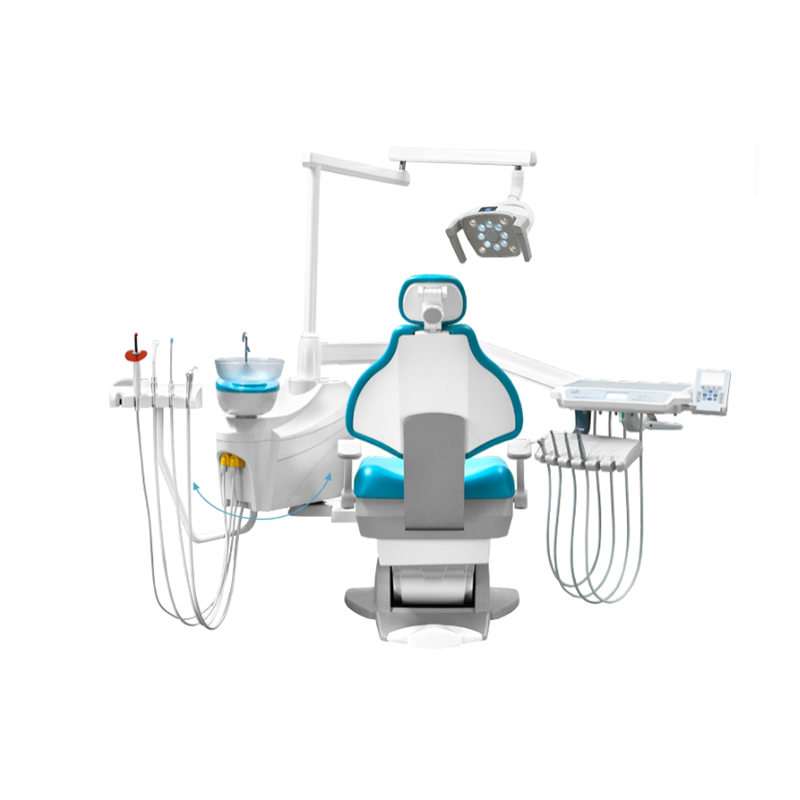
Modern workflows demand speed and predictability. Manufacturers now engineer equipment to eliminate redundant manual tasks. This shift allows the clinical team to focus entirely on patient care.
Multi-provider practices often struggle to standardize operatory setups. A 9-memory dental chair system solves this precise issue. Expanded programmable memory settings allow granular customization. You can assign three settings to the hygienist, three to the generalist, and three to visiting specialists.
This functionality transforms daily operations. Standardized setups eliminate manual adjustment delays entirely. When a hygienist enters the room, they simply press one button. The chair instantly adjusts to the ideal height and angle for preventive care. When the endodontist takes over, another single press configures the chair for complex root canal therapy. It standardizes setups for everyone sharing the same room.
Analog buttons and mechanical toggle switches are rapidly disappearing. Operators now manage treatments via an LCD tool tray dental unit. This shift replaces physical crevices and dials with a sleek touchscreen interface.
Digital interfaces drastically streamline infection control protocols. Flat glass screens wipe down instantly. They harbor fewer bacteria than rubberized buttons. More importantly, these screens centralize operatory controls. Clinicians can adjust scaler power, control micromotor torque, and operate intraoral cameras from one location. Everything remains within a single line of sight. You never have to look away from the operating field.
The dental chair no longer functions purely as a treatment tool. It now operates as an active case-presentation environment. Chair-side monitors and smart sensors sync directly with clinic practice management software.
This integration fosters immediate patient education. You can project intraoral scans onto integrated screens while the patient remains reclined. Some units incorporate AI diagnostics to highlight decay or bone loss visually. This interactive approach demystifies complex procedures. It transforms hesitant patients into active participants regarding their own oral health.
Excellent equipment design balances the needs of both the provider and the patient. You cannot prioritize one at the expense of the other. The best designs seamlessly integrate dual benefits.
Dentistry takes a severe toll on the human body. Next-generation ergonomics actively prioritize musculoskeletal health. Consider the design of ultra-thin backrests. A thin profile allows you to slide your knees safely under the patient. You gain closer access to the oral cavity without compromising your spinal posture.
Flexible headrests represent another major advancement. They allow precise positioning of the patient's head. You can adjust the pivot points to optimize your viewing angle. This reduces repetitive strain on your neck and shoulders during long procedures. Accessible operating fields extend clinical careers.
Patients view the operatory differently than clinicians. They value "beyond function" design elements. Synchronized movement is a prime example. As the chair reclines, the back and seat move in tandem. This prevents the patient from uncomfortably sliding down the chair.
Manufacturers also incorporate massage features and integrated screen entertainment. These elements actively distract anxious patients. They provide comfort during lengthy restorative sessions. A relaxed patient moves less, allowing you to work faster and safer.
Patient comfort features serve as excellent marketing tools. They certainly elevate the perceived value of your practice. However, you must maintain a balanced perspective. The primary clinical value of any chair remains its stability. It must secure an accessible operating field for the dentist. Distraction features should never override mechanical reliability.
Upgrading your operatory involves more than simply unboxing new equipment. You must navigate several unglamorous realities before completing a purchase.
Older clinics require careful evaluation before installing modern systems. You must assess your current infrastructure thoroughly.
Plumbing Evaluation: Ensure your existing drain lines can handle new automated suction protocols.
Air and Water Lines: Verify the pressure consistency. Smart units often require highly regulated air/water inputs for precision handpieces.
Electrical Capacity: Modern setups draw more power. Check your junction boxes to guarantee they meet the required electrical loads.
Advanced equipment demands structured training. A smart chair becomes a wasted investment if your clinical team refuses to use it. Many older practitioners tend to revert to manual overrides due to interface confusion. You must schedule dedicated training days. Ensure every hygienist and assistant feels comfortable navigating the digital menus.
Diagnostic components now connect directly to your clinic’s central network. They transmit sensitive patient images and data. You must evaluate the compliance aspects of these connections. HIPAA and regional data laws require encrypted transmissions. Ensure your IT provider secures the network if your chair operates wirelessly.
Older mechanical models offered robust, analog reliability. New units introduce software dependencies and sensor vulnerabilities. You must shift your maintenance approach. Routine software updates are now just as critical as lubricating mechanical joints. Emphasize the need for robust service level agreements. Fast technical support keeps your operatory running smoothly.
Selecting the right partner dictates the long-term success of your investment. You need a systematic approach to evaluate vendors.
You must separate marketing hype from actual clinical utility. Look closely at the track record of the manufacturer. Does the software crash frequently? Request case studies from clinics handling similar patient volumes. A reputable high-tech dental unit manufacturer will gladly provide verifiable references regarding software stability.
The initial purchase is only the first step. You must evaluate the post-sale ecosystem rigorously. Investigate the availability of replacement parts in your specific region. Ask about their certified technician network. If a sensor fails, how quickly can a technician arrive? Furthermore, demand warranty transparency. Manufacturers often provide different coverage periods for steel hardware versus delicate electronic touchscreens.
Always request an in-clinic clinical demo before committing. Do not rely solely on showroom displays. You need to perform specific stress-tests during the trial.
Test the memory recall speed repeatedly under load.
Evaluate the touchscreen responsiveness while wearing wet clinical gloves.
Test the emergency stop functions to ensure immediate motor disengagement.
Audit the initial sticker price against included installation and training services.
Smart operatory equipment should function as an invisible assistant. It must streamline your daily workflows rather than complicating them. As technology advances, prioritize systems offering high clinical utility and seamless integrations. Avoid isolated novelty features lacking daily practical value.
Here are your action-oriented next steps:
Audit your current operatory downtime to identify specific mechanical bottlenecks.
Survey your clinical team regarding their daily ergonomic pain points.
Contact a certified specialist to perform an electrical and plumbing site evaluation.
Schedule an in-office clinical demo to test digital interfaces firsthand.
A: Modern smart chairs typically last 10 to 15 years. However, this lifespan depends heavily on your maintenance habits. While the mechanical frames are highly durable, the electronic component warranties often expire sooner. Routine software updates and sensor maintenance dictate the longevity of the digital features.
A: You can often retrofit these digital units into older clinics without a complete remodel. However, you must assess your current infrastructure first. Evaluate the electrical outputs and data line availability at the junction box. If the existing wiring cannot support digital data transfer, minor electrical upgrades become necessary.
A: A solo practitioner benefits through granular procedural customization. You do not just save settings for different users. You save precise angles for specific recurring procedures. You can designate distinct memory positions for endodontics, standard hygiene, and complex extractions. This eliminates repetitive manual adjustments between different patient treatments.
A: These systems usually operate as a hybrid setup. The chair provides the physical hardware interface, touchscreens, and camera integration. However, the actual AI analysis typically relies on integrated third-party software subscriptions. The operatory unit syncs this software directly to the chair-side monitor for seamless viewing.


